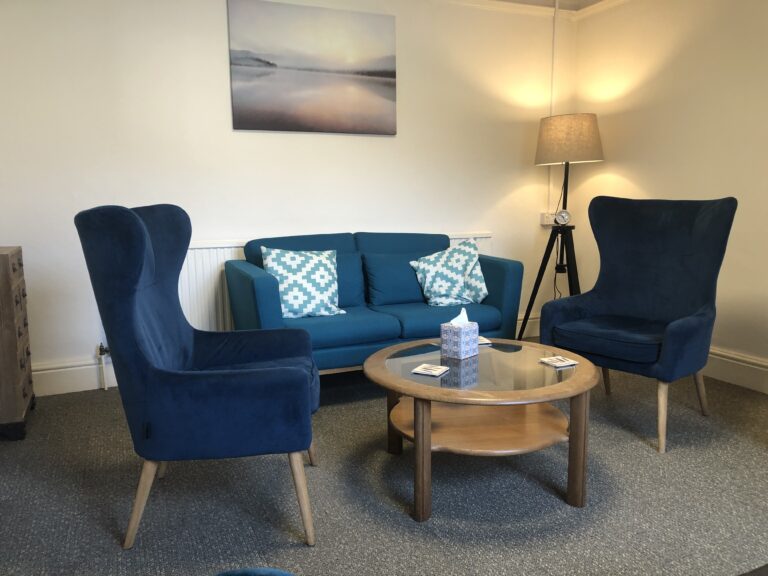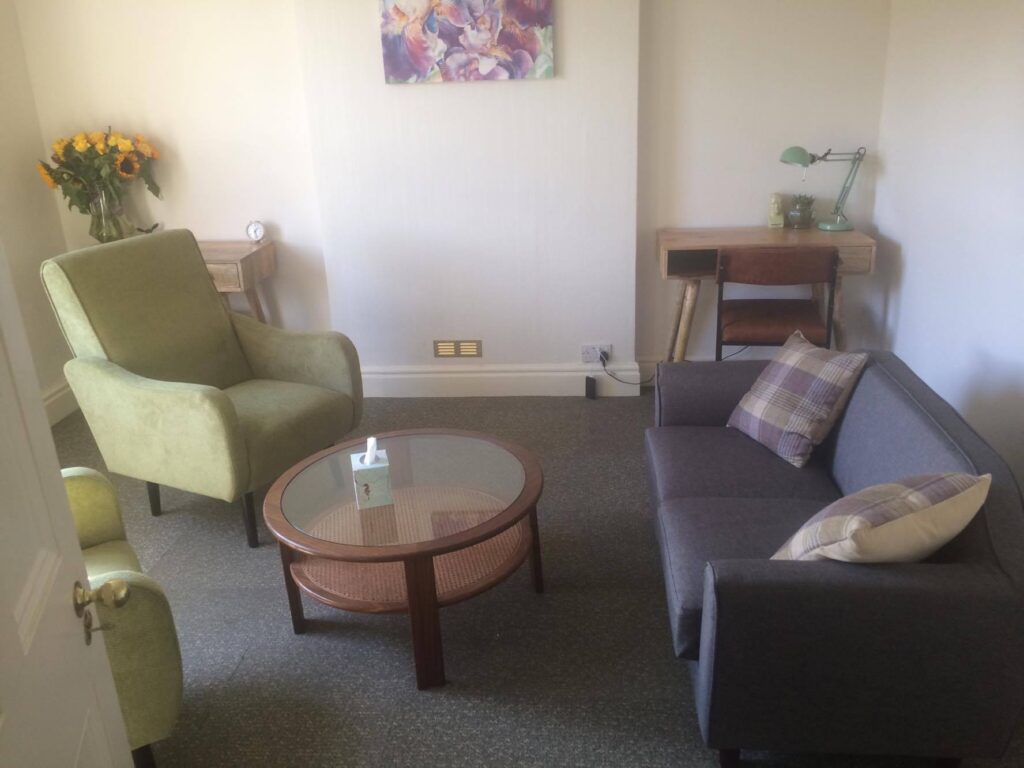
Clinical hypnotherapy can be used effectively for anxiety, phobias including spiders, flying, social phobias, driving, heights, as well as weight issues and smoking cessation, It is also a used as a method of boosting self-confidence and dealing with forthcoming events that may be causing anxiety.
If you would like to know more about what the Hynoptherapists working from the Matlock Therapy centre can offer, then please contact them through their profile pages.
Derbyshire Hypnotherapists at the Matlock Therapy Centre

Gabrielle Distin – Hypnotherapist
Gabrielle is a compassionate and experienced hypnotherapist with 17 years of dedicated practice. With a background in Occupational Therapy, specialising in mental health, Gabrielle brings a wealth of knowledge and expertise to her therapeutic approach.Specialising in a range of areas including relationships, confidence building, depression, anxiety, trauma, grief, and loss, Gabrielle offers an individually tailored approach to address the unique ...

Tracey Powell – Hypnotherapist
My name is Tracey Powell - I’m a Rapid Transformational Therapy Practitioner – Consider Yourself Hypnotherapy This therapy combines CBT (cognitive behavioural therapy) NLP (neuro-linguistic programming) Psychotherapy and Hypnotherapy The therapy I offer is so powerful because it gets to the root cause of any issue you’re struggling with, from weight-loss to dating and relationship challenges. It uncovers the block ...

Jeanette Morris – Hypnotherapist Derbyshire
Jeanette Morris Clinical Hypnotherapist (BA(hons), DipHyp., NLP(Prac), GQHP, GHReg, MHS) Do you feel that something is holding you back? Perhaps a phobia, a habit or an unhelpful belief? Sometimes you just need the right kind of help to fix the things that are limiting your potential, or enjoyment of life. As a qualified and accredited Clinical Hypnotherapist, I can work ...

Mary Kelly – counsellor, psychotherapist & hypnotherapist
I provide non-judgemental, open and honest support. I help people explore their thoughts, feelings and behaviours. Together we can figure out healthier and happier ways of dealing with situations. I can help people understand issues in their lives or patterns of behaviour. My therapy sessions are a safe place where you can talk freely without fear of being judged or ...